

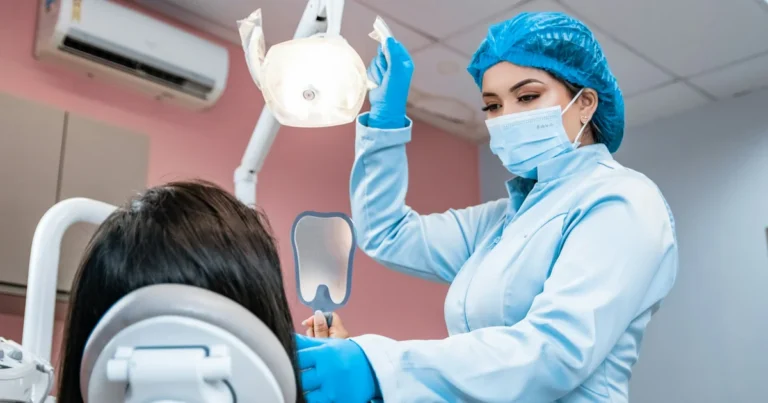
Maintaining healthy teeth and gums involves more than brushing and flossing every day. Regular Checkups & Cleanings help prevent dental problems, identify early signs of oral disease and keep your smile healthy over time.
A dental checkup and cleaning combines a professional examination with the removal of plaque, tartar and surface stains. These visits allow your dental team to monitor changes in your oral health and recommend preventive care based on your needs.
Whether you are scheduling your child’s first dental appointment or returning for routine care, understanding what happens during these visits can help you feel more prepared.
This guide explains why regular dental appointments matter, what to expect during a cleaning and how to maintain good oral health between visits.
Why Regular Dental Checkups & Cleanings Matter
Regular dental checkups and cleanings help protect your teeth and gums by identifying problems early and removing buildup that daily brushing cannot fully address.
Even when your teeth look healthy and you have no discomfort, tooth decay and gum disease can develop without obvious symptoms.
According to the Canadian Dental Association’s guidance on regular dental checkups, routine examinations help dental professionals detect oral health concerns and recommend preventive treatment before problems become more serious.
Benefits of Regular Dental Visits
Routine dental appointments offer several benefits:
- Early detection of tooth decay: Dentists can identify changes in tooth enamel and areas where cavities may be developing.
- Prevention of gum disease: Professional cleaning removes plaque and tartar that contribute to gum inflammation.
- Monitoring oral health: Examinations help identify changes in your teeth, gums, bite and surrounding oral tissues.
- Personalised preventive advice: Your dental team can recommend brushing techniques, cleaning tools and preventive treatments.
- Maintaining existing dental work: Regular visits allow dentists to examine fillings, crowns and other restorations for signs of damage or wear.
Preventive dental care also helps patients understand their oral health rather than waiting until pain or discomfort develops.
How Often Should You Schedule a Dental Checkup?
Many people visit the dentist approximately every six months, but dental checkup frequency should reflect individual oral health needs.
Some patients may need more frequent appointments because of gum disease, repeated cavities, medical conditions or increased tartar buildup. Others with stable oral health may be advised to attend less frequently.
Children also require appointment schedules based on their dental development and risk of tooth decay.
At O’Ville Dental, Checkups & Cleanings are provided by general dentists and registered dental hygienists, with recommended visit intervals based on each patient’s oral health assessment.
What Happens During a Dental Checkup?
A dental checkup is a professional examination of your teeth, gums and mouth to identify signs of decay, gum disease and other oral health concerns.
The appointment generally includes reviewing your health history, examining your mouth and discussing any recommended treatments or preventive measures.
1. Reviewing Your Dental and Medical History
Your dental team may begin by asking about changes in your health, medications and dental concerns.
You should mention symptoms such as:
- Tooth sensitivity or persistent discomfort
- Bleeding or swollen gums
- Difficulty chewing or changes in your bite
- Jaw discomfort
- Broken fillings or damaged teeth
- Changes in your mouth that have not healed
Sharing this information helps your dentist understand potential risk factors and plan appropriate care.
2. Examining Your Teeth and Gums
Your dentist checks your teeth for cavities, cracks, damaged restorations and signs of wear.
The examination also includes assessing your gums for inflammation, bleeding or other signs of periodontal disease.
Depending on your needs, the dentist may evaluate your bite, jaw movement and soft tissues, including your tongue and the inside of your cheeks.
These checks can identify changes that are not always visible or noticeable at home.
3. Taking Dental X-Rays When Needed
Dental X-rays help dentists examine areas that cannot be fully assessed during a visual examination.
They may reveal decay between teeth, changes around tooth roots or problems involving the supporting bone.
However, X-rays are not required at every appointment. Your dentist recommends imaging based on your dental history, symptoms and clinical findings.
4. Discussing Your Oral Health
After the examination, your dentist explains any findings and discusses appropriate next steps.
These may include monitoring a tooth, improving daily cleaning habits, receiving preventive treatment or addressing an existing dental problem.
For anyone preparing for their first appointment, O’Ville Dental also provides a guide explaining what to expect at your first dental visit.
What Is Included in Dental Cleaning?
A routine dental cleaning is a professional procedure that removes plaque, hardened tartar and certain surface stains from your teeth.
Although brushing and flossing remove soft plaque, tartar cannot be effectively removed through ordinary home care once it has hardened.
Professional cleaning helps reduce bacterial buildup and supports healthier gums.
Plaque and Tartar Removal
Dental hygienists use specialised instruments to remove plaque and tartar from tooth surfaces and around the gumline.
This process is called scaling.
According to the Government of Canada’s information on gum disease, plaque can harden into tartar when it is not removed. Dental professionals can remove tartar using manual scaling tools or ultrasonic instruments.
Removing these deposits helps manage the bacterial buildup associated with gum inflammation.
Teeth Polishing
After scaling, your hygienist may polish your teeth using a professional polishing paste and dental instrument.
Polishing can remove certain surface stains and leave the tooth surfaces feeling smoother.
However, polishing does not replace whitening treatment or change the natural colour of tooth enamel.
Cleaning Between Teeth
Your hygienist may also clean between your teeth using dental floss or other suitable instruments.
This helps remove remaining debris and allows your dental team to demonstrate effective cleaning techniques.
Fluoride Application When Recommended
Some patients may benefit from a fluoride treatment after their cleaning.
Fluoride helps strengthen tooth enamel and supports the repair of early mineral loss caused by acids.
Professional fluoride applications may be recommended for children or adults who have a higher risk of developing cavities.
Not every patient needs fluoride at every appointment. Your dentist can explain whether additional treatment would benefit your teeth.
Dental Checkup vs Dental Cleaning
Although both services are commonly scheduled together, they have different purposes.
| Dental Service | Main Purpose | What It Involves |
| Dental checkup | Examine oral health and identify problems | Assessment of teeth, gums, bite and oral tissues, with X-rays when needed |
| Routine dental cleaning | Remove plaque, tartar and surface stains | Scaling, polishing and cleaning between teeth |
| Preventive treatment | Provide additional protection when needed | Fluoride applications, dental sealants or other recommended care |
The exact procedures included in an appointment depend on your oral health and the type of visit booked.
How Checkups Help Prevent Oral Diseases
Regular dental checkups help prevent oral diseases by identifying early changes, monitoring risk factors and supporting effective daily hygiene.
While dental visits cannot prevent every oral health problem, they give patients an opportunity to address concerns before further damage develops.
Detecting Tooth Decay Early
Tooth decay occurs when acids produced by plaque bacteria gradually damage tooth enamel.
Early decay may not cause pain, making it difficult to notice without a dental examination.
Dentists can identify areas of concern and recommend preventive measures or treatment depending on how far the decay has progressed.
Reducing the Risk of Gum Disease
Gum disease develops when plaque bacteria contribute to inflammation around the teeth.
The earliest stage, known as gingivitis, may cause redness, swelling or bleeding during brushing.
Without appropriate care, some cases can progress to periodontitis, which affects the tissues and bone supporting the teeth.
Regular cleaning and effective home hygiene help control plaque and reduce the risk of gum disease.
If you notice persistent bleeding, swollen gums or loose teeth, arrange a dental assessment rather than waiting for your next routine appointment.
Supporting Children’s Dental Development
Children benefit from preventive dental care as their teeth and jaws develop.
Routine visits allow dentists to monitor emerging teeth, identify early cavities and help families establish healthy oral hygiene habits.
The Public Health Agency of Canada recommends taking children to an oral health professional within six months of their first tooth appearing or by their first birthday.
O’Ville Dental offers Family Dental Services for patients at different stages of life, including children, teenagers, adults and older adults.
Preventing Cavities With Dental Sealants
Some teeth have deep grooves that can trap food particles and plaque, particularly the back molars.
Dental Sealants are thin protective coatings applied to the chewing surfaces of selected teeth to help reduce the risk of decay.
They are commonly recommended for children’s newly erupted permanent molars, although adults may also benefit in certain situations.
A dentist can assess whether sealants are appropriate based on the shape and condition of individual teeth.
Strengthening Enamel With Fluoride
Fluoride supports enamel by helping replace minerals lost during the early stages of tooth decay.
According to Health Canada’s fluoride and oral health guidance, fluoride is an established measure for preventing tooth decay when used appropriately.
Professional Fluoride Treatment may benefit patients with frequent cavities, dry mouth, exposed root surfaces or other factors that increase their risk of decay.
Your dentist can recommend whether an application is suitable following an examination.
How to Maintain Oral Health Between Visits
Maintaining oral health between dental appointments requires consistent brushing, cleaning between teeth and making sensible dietary choices.
Professional cleaning removes accumulated deposits, but daily habits help prevent new plaque from building up.
Brush Twice a Day With Fluoride Toothpaste
Brush your teeth for at least two minutes, twice daily, using a soft-bristled toothbrush and fluoride toothpaste.
Pay attention to the gumline and back teeth, where plaque can accumulate.
Avoid brushing too aggressively because excessive pressure can irritate your gums and contribute to tooth wear.
The Canadian Dental Association’s preventive care recommendations support regular brushing with fluoride toothpaste and proper cleaning techniques.
Clean Between Your Teeth Every Day
Toothbrush bristles cannot effectively reach every surface between your teeth.
Daily flossing or using suitable interdental brushes helps remove plaque and food debris from these areas.
If you have braces, bridges or difficulty using dental floss, ask your dental hygienist which cleaning tools may work best.
Limit Sugary Foods and Drinks
Frequent exposure to sugar increases the risk of tooth decay because plaque bacteria produce acids as they break down sugars.
Helpful habits include:
- Choosing water instead of sugary drinks more often
- Limiting frequent snacking on sweets
- Avoiding prolonged sipping of sweetened beverages
- Eating balanced meals with a variety of nutritious foods
- Drinking water after meals to help rinse away food particles
You do not need to avoid every sweet food, but reducing how often your teeth are exposed to sugar can help protect enamel.
Help Children Build Good Dental Habits
Children often need assistance with brushing until they develop sufficient coordination to clean their teeth thoroughly.
Parents and caregivers can help by establishing consistent routines, using age-appropriate amounts of toothpaste and encouraging children to spit out toothpaste.
Health Canada recommends that adults help children under six with brushing and use toothpaste amounts appropriate for their age and cavity risk.
Making brushing part of a family routine can help children develop habits that continue into adulthood.
Pay Attention to Changes in Your Mouth
Do not wait until your next scheduled appointment if you notice new or persistent symptoms.
Contact a dentist if you experience:
- Tooth pain or increasing sensitivity
- Bleeding or swollen gums
- Persistent bad breath
- Loose or damaged teeth
- Mouth sores that do not heal
- Unexplained changes in your bite
Early assessment can help identify the cause and determine whether treatment is needed.
Follow Your Recommended Dental Visit Schedule
Even with consistent home care, professional dental examinations remain useful.
Your dentist can recommend how frequently you need a dental checkup and cleaning based on your current oral health, previous dental problems and individual risk factors.
Following that schedule supports ongoing monitoring and allows your care plan to change when necessary.
Frequently Asked Questions About Dental Checkups and Cleanings
How often should you visit the dentist?
Many people visit the dentist every six months, but the recommended frequency depends on their oral health. Patients with gum disease, frequent cavities or other risk factors may need more frequent appointments. Your dentist can recommend an appropriate schedule after examining your teeth and gums.
Does dental cleaning hurt?
Routine dental cleaning is generally well tolerated, although some people experience mild discomfort or sensitivity. Patients with inflamed gums, heavy tartar buildup or sensitive teeth may notice temporary tenderness during scaling. Tell your hygienist if you feel uncomfortable so they can adjust their approach.
How long does a dental checkup take?
A routine dental checkup and cleaning at O’Ville Dental typically takes approximately 45 to 60 minutes. The appointment may take longer if X-rays, additional examinations or more involved cleaning are needed. Your dental team can explain the expected duration when you book.
Can dental cleaning remove tartar?
Yes. Professional dental cleaning removes hardened tartar using specialised scaling instruments. Unlike soft plaque, tartar cannot be removed effectively with regular brushing or flossing. A dental hygienist can safely remove these deposits from accessible tooth surfaces and around the gumline.
Do healthy teeth still need checkups?
Yes. Teeth that look and feel healthy can still develop cavities, gum inflammation or other changes without noticeable symptoms. Regular dental examinations allow dentists to identify early concerns, monitor existing restorations and recommend preventive care to maintain long-term oral health.
Maintain a Healthy Smile With Regular Checkups & Cleanings
Regular Checkups & Cleanings are a practical part of maintaining healthy teeth and gums throughout life.
Professional examinations help identify early dental concerns, while routine cleanings remove plaque and tartar that daily brushing cannot fully address. Combined with fluoride toothpaste, daily cleaning between teeth and balanced eating habits, preventive dental visits support better oral health over time.
For individuals and families seeking a Family Dentist in Orangeville, O’Ville Dental provides preventive care tailored to different ages and oral health needs.
Ready to take care of your family’s oral health? Request a dental appointment at O’Ville Dental in Orangeville to discuss your preventive care needs and establish a dental checkup and cleaning schedule that suits you.